The complete guide to the Barnevelder chicken. An overview of this classic dutch breed.
Are you thinking about adding Barnevelder chickens to your backyard coop? Then you've come to the right place!
Table of Contents
In this comprehensive guide, we'll cover everything you need to know about this breed of chickens.
Originally a dual purpose breed kept for both meat and eggs the breed is now more often kept just for eggs and showing.
Origins of the Barnevelder Chicken:
The Barnevelder chicken is a Dutch breed that was developed in the early 20th century in the town of Barneveld in Holland.
It was created by crossbreeding different breeds of chickens, including the Brahma and the Cochin, and was originally bred for both meat and eggs.
Below: I have kept Barnevelders since 1998 and the breed makes up a considerable percentage of my egg flock.
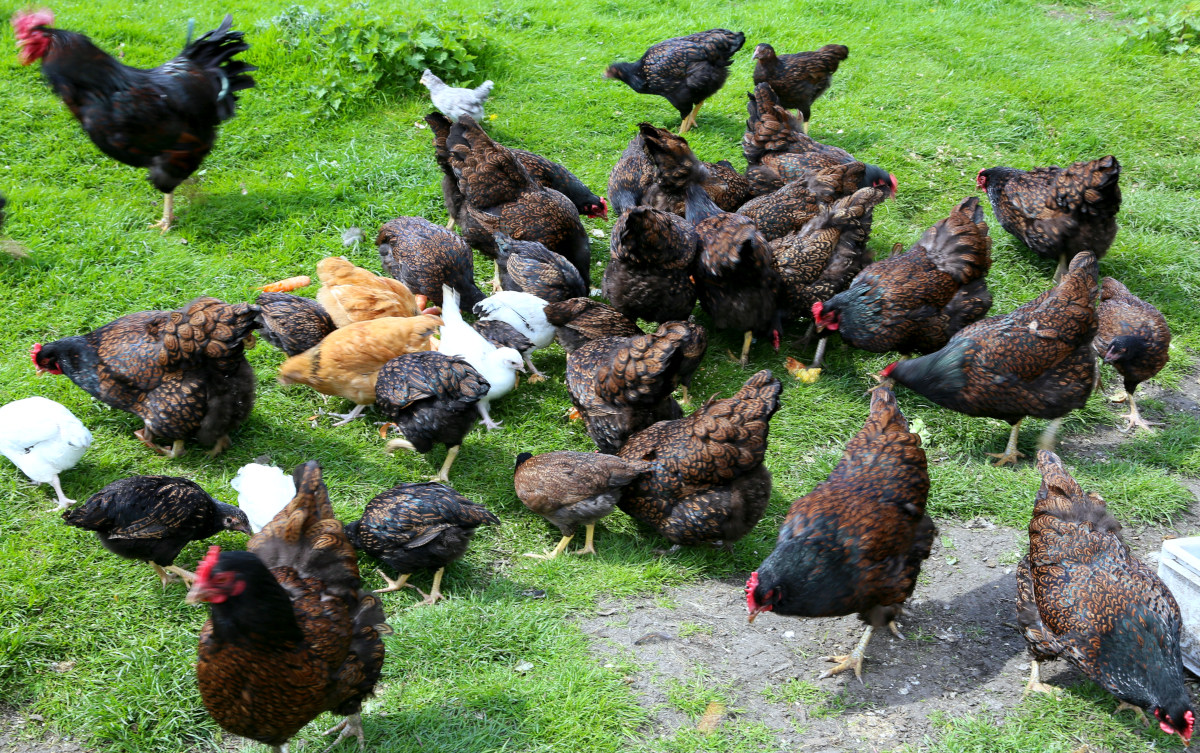
The breed quickly became popular in the Netherlands, and has since spread throughout the world.
The name Barnevelder was first used for birds shown at the Landbouwtentoonstelling or agricultural exhibition held in The Hague in 1911.
The Dutch Poultry Club discussed whether to accept the Barnevelder as a new breed in 1919, it was found to be variable and have too many faults. It was accepted in 1921.
Unique traits of the Barnevelder:
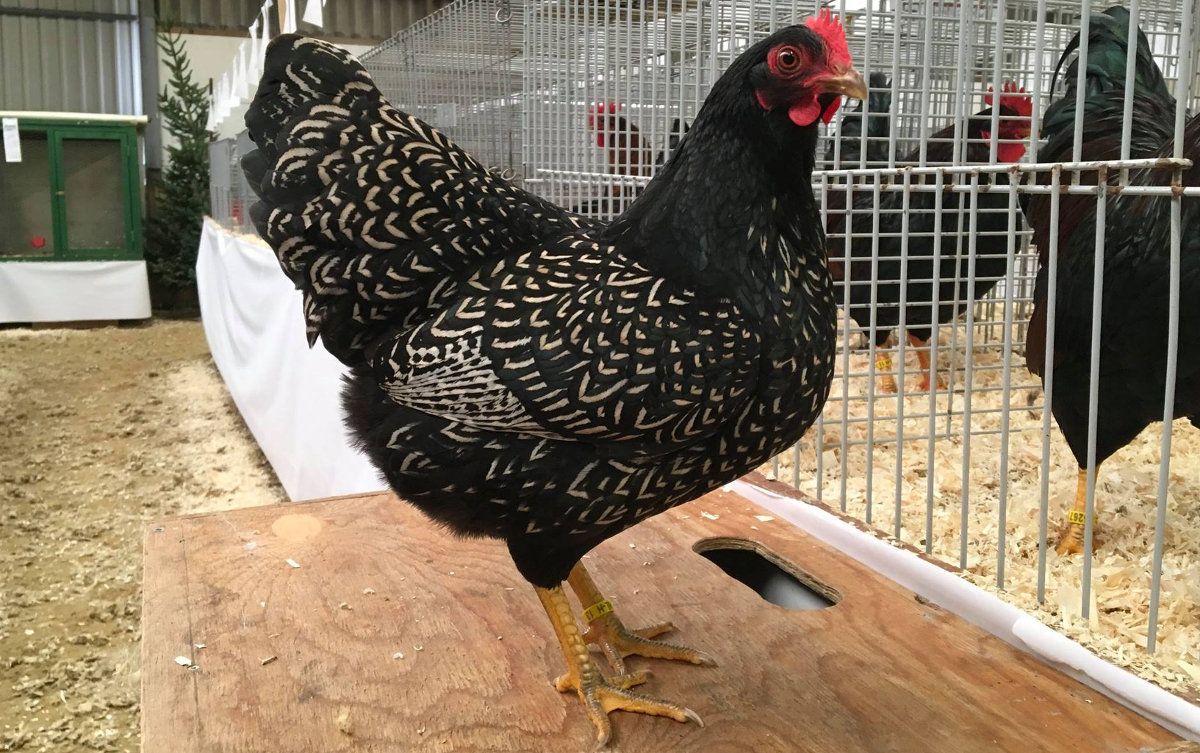
One of the most distinctive traits of the Barnevelder chicken is their stunning feathers. The birds have a distinctive laced feather pattern that features chestnut brown, and black feathers with a beautiful beetle sheen.
Another unique trait of the Barnevelder chicken is their friendly and docile personality. These chickens are known for being very friendly and easy to handle, which makes them a great choice for backyard coops.
They are also hardy birds that are able to tolerate cold weather, making them well-suited for colder climates.
Below: Barnevelders come in both bantam and large fowl types, here are some of my bantams.
Colours and feather patterns:
There are both patterned and solid colours of Barnevelder, the most common is the double laced Barnevelder, called the chestnut Barnevelder here in the UK.
Below: A white Barnevelder in a show cage.
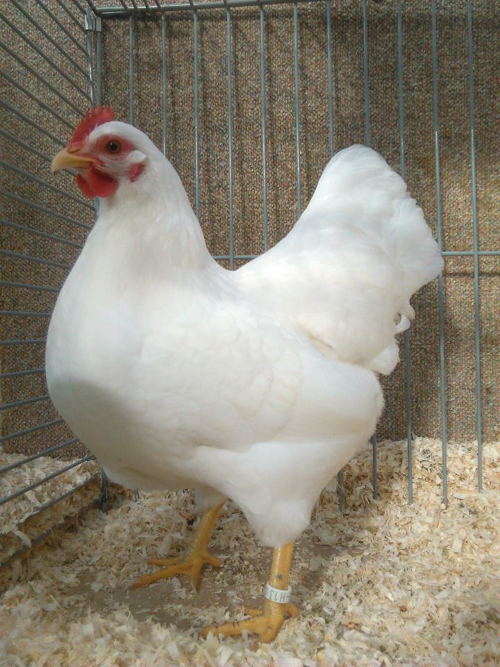
Other colours and types of Barnevelder include:
- Double Laced,
- Silver double laced,
- Dark Brown,
- White
- Black,
- Autosexing barred,
- Splash,
- Blue laced,
- Double silver, double blue,
- Partridge,
- Isabel.
The Big Brown egg!
When the Barnevelder was first produced it was the egg it was famous for. The English production fell far short and brown eggs fetched a premium price.
Barnevelders are steady, year-round layers of medium to large brown eggs. You can expect roughly 150 to 180 eggs per year, depending on diet, daylight, and how spoiled they are, and mine definitely are.
One of their biggest strengths is that they keep laying through winter, when many other breeds take a break. That’s one reason I recommend them to anyone who wants a flock that works hard without fuss.
Below: This is what all the fuss is about.
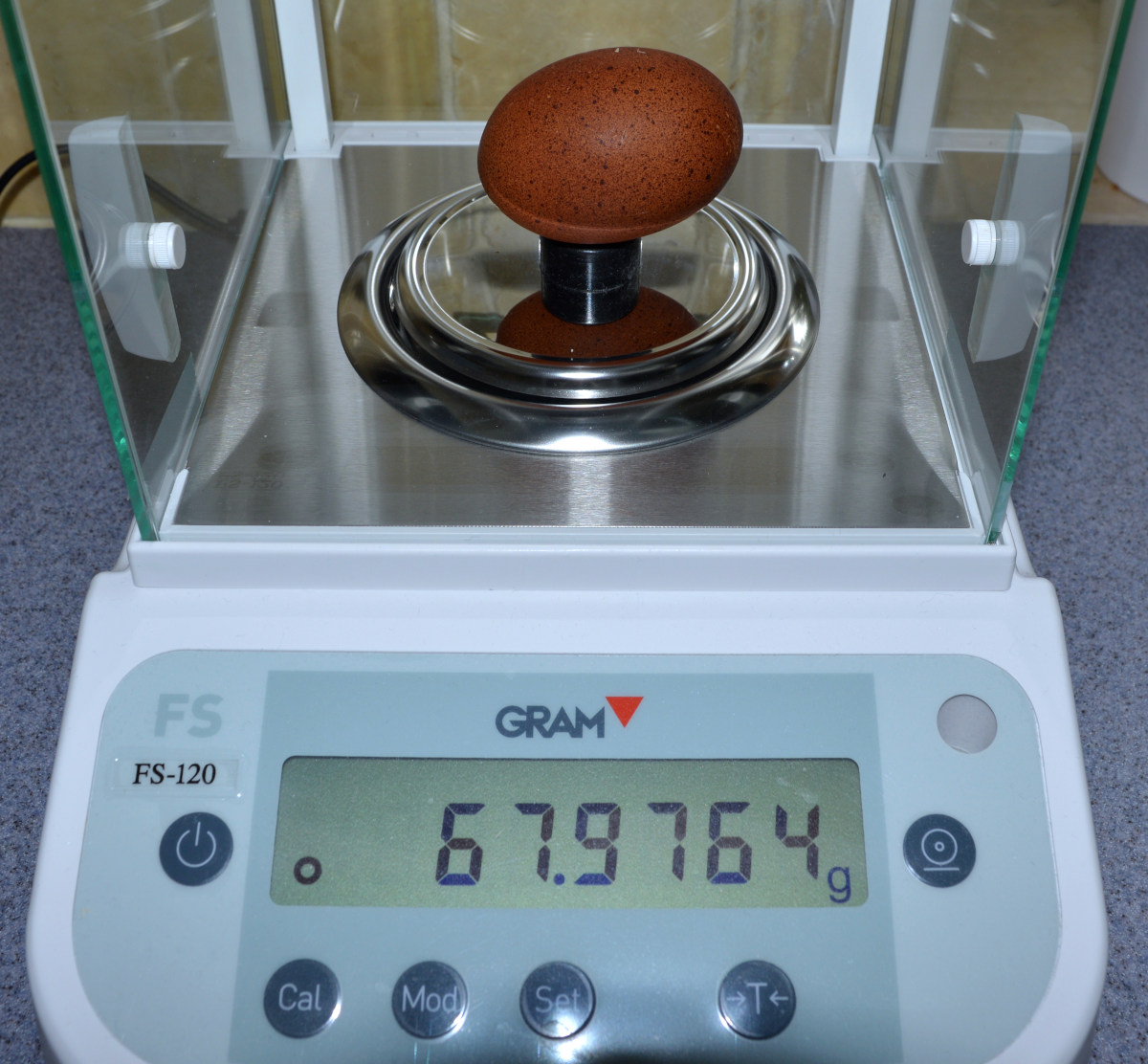
Some types lay a much lighter brown egg these days and though the dark pigment on the egg shell may fade slightly as the laying cycle progresses, that deep, rich brown colour always returns after a moult.
Care Requirements for Barnevelder Chickens:
When it comes to caring for Barnevelder chickens, there are a few key things that you need to keep in mind.
Firstly, these are big birds that require a spacious coop with plenty of room to move around and roost. Barnevelders need 4 sq ft per bird inside the coop and 10 sq ft in the run. They tolerate confinement but thrive with free-range time.
Secondly they also need access to a secure outdoor area where they can scratch, peck, and soak up the sun.
The Barnevelder was bred for damp Dutch winters, which means they’re well-suited to cooler, wetter climates. Their plumage is dense and slightly glossy, providing excellent insulation.
Below: The hens make good mothers for the most part.
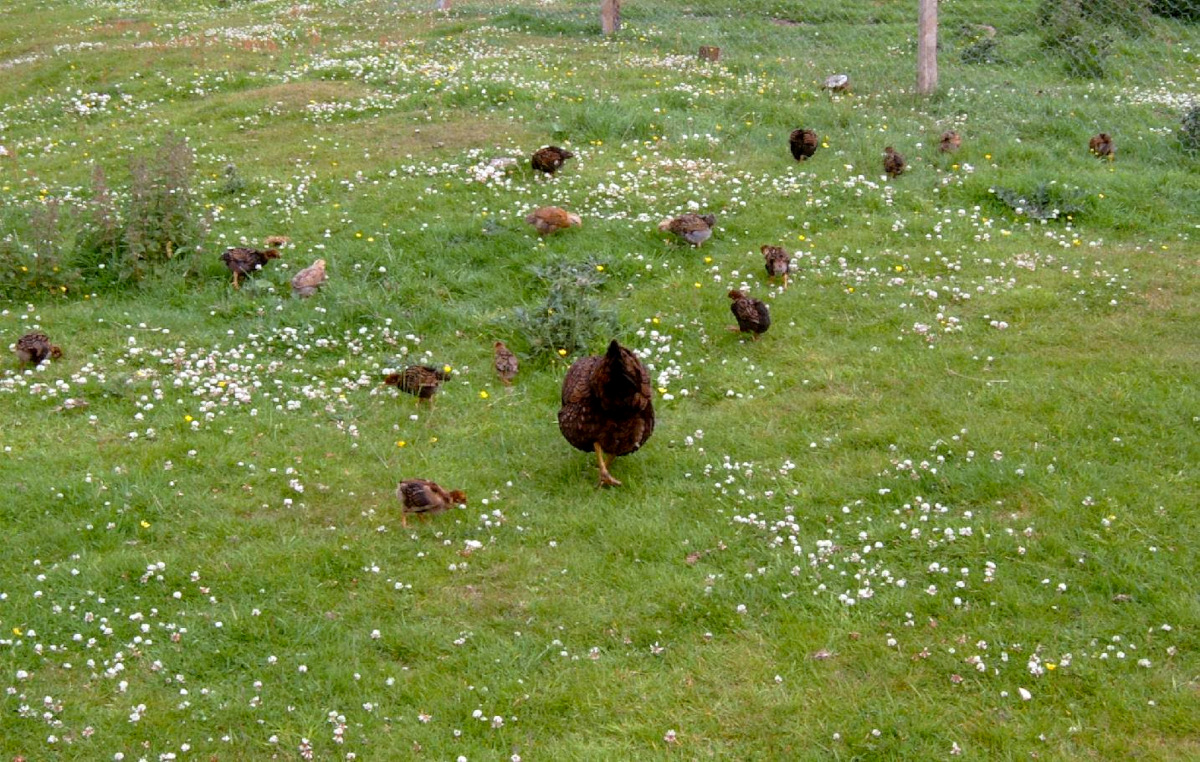
Barnevelder hens can go broody, but not excessively so. When they do, they make devoted mothers, for the most part gentle and attentive. Chicks feather out beautifully and are generally hardy if slow to mature.
Feeding Barnevelders:
In terms of feeding, Barnevelder chickens are not particularly picky and will eat a variety of food, including grains, vegetables, and insects. However, it is important to provide them with a balanced diet that contains all of the nutrients they need to stay healthy.
This can be achieved by feeding them a high-quality commercial feed, or by supplementing their diet with fresh food and treats.
It's also important to provide your Barnevelder chickens with regular veterinary care, including regular check-ups and parasite control. This will help to keep them healthy and happy, and will also help to prevent the spread of disease.
Are Barnevelders right for me?
Barnevelder chickens are a wonderful breed of chickens that are well-suited to backyard coops.
With their distinctive feathers, friendly personalities, and relatively low care requirements, they are a great choice for anyone who is interested in raising chickens.