
The secret to a happy flock lies in the chickens' evolutionary past!
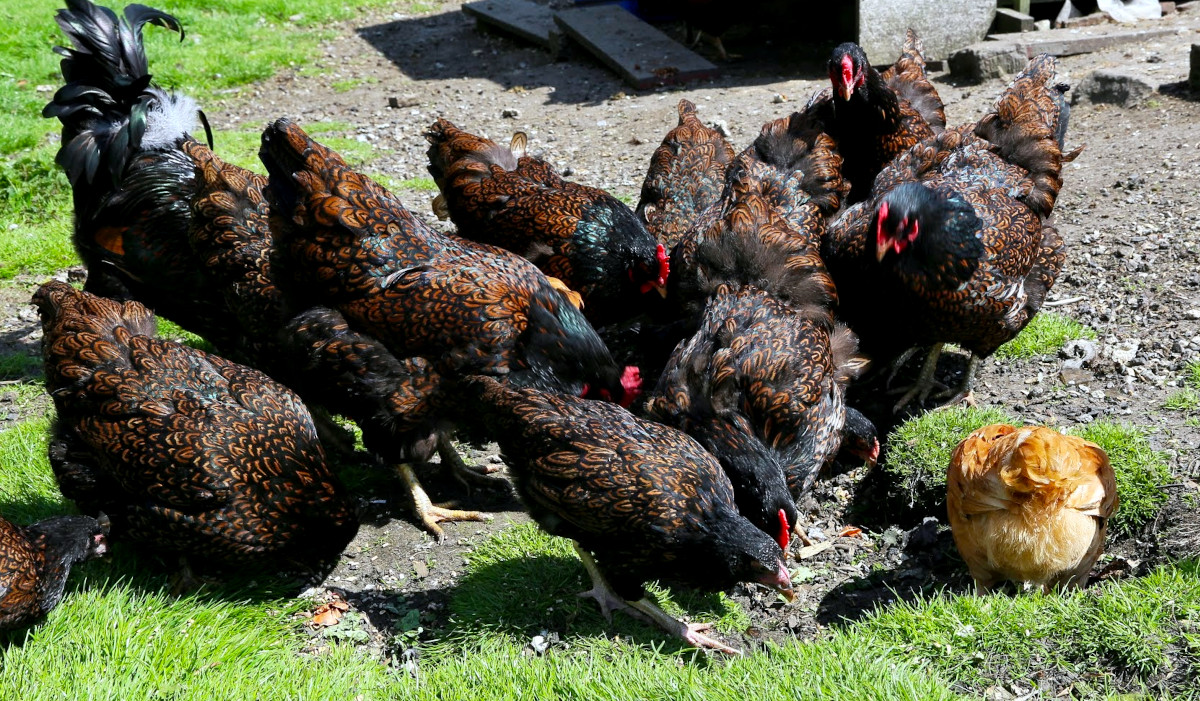
The trick to keeping chickens happy is to make their modern world feel a little more like their old one.
I’ll admit it: sometimes I catch myself watching my chickens for way too long. There’s something deeply satisfying about seeing them just be chickens, scratching the ground, muttering to each other or taking dust baths like it’s a spa day.
Table of Contents
- The modern chicken still has its wild roots.
- Allow them to exhibit their natural behaviours.
- Keep their social world balanced.
- Feed their instincts, not just their belly.
- Shade, cover and a sense of safety.
- Roosts, coops and nesting boxes that mimic their natural environment.
- Don't forget the dust bath!
- Chickens are not meant to be confined.
Happiness for a chicken isn’t found in treats or toys. It’s found in the simple joy of living like a chicken was meant to live.
That realisation changed how I keep my flock, and I can honestly say they’ve never looked more content.
The modern chicken still has its wild roots.
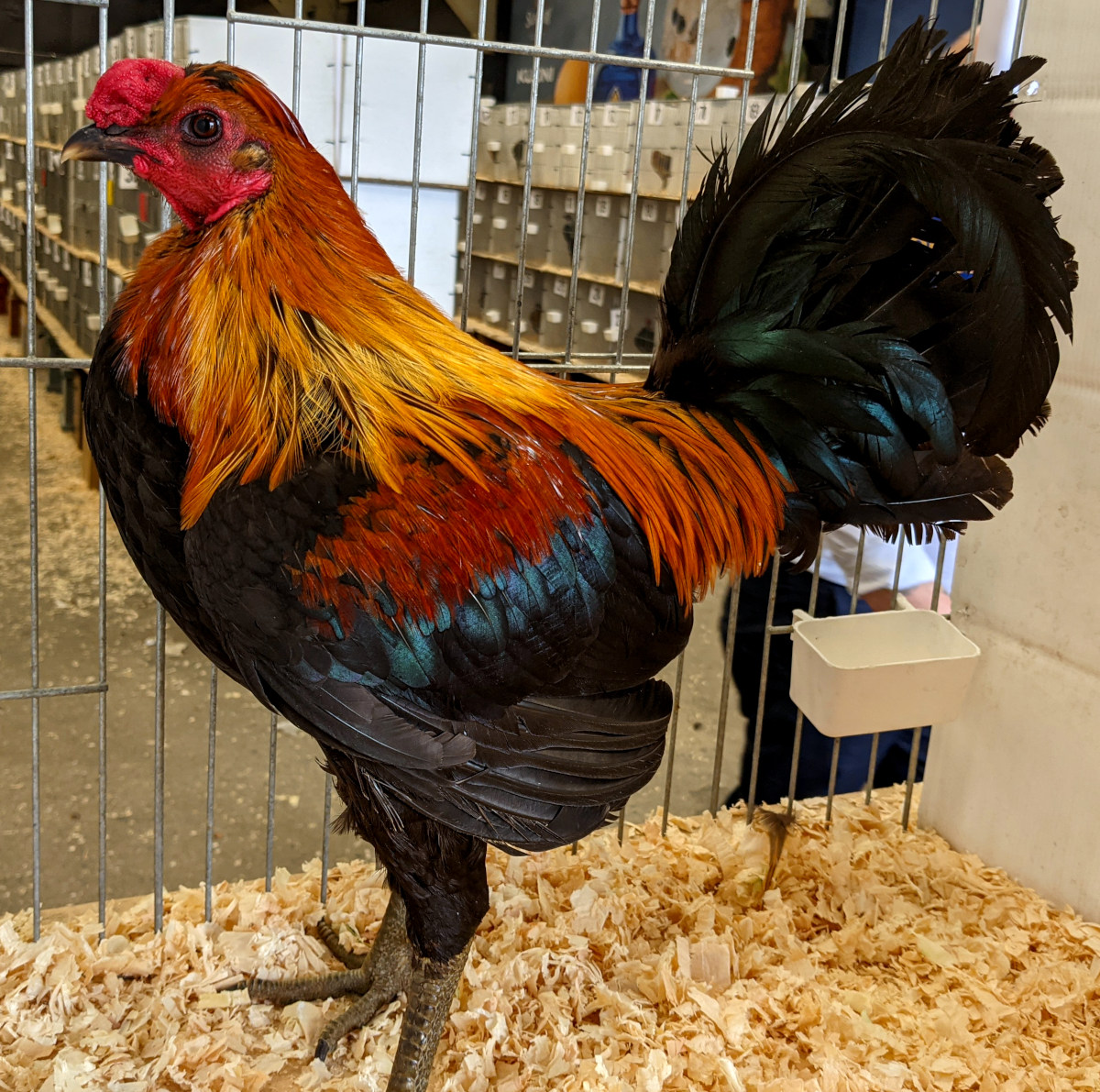
Modern chickens might live in our gardens, but their instincts were shaped in the forests of Southeast Asia thousands of years ago. The Red Jungle fowl, their wild ancestor, still roams there today and if you’ve ever watched one, the resemblance is uncanny.
Below: The jungle fowl look very similar to this modern bird.
In their wild homeland chickens spend their days scratching through leaf litter, foraging for seeds and insects, dust bathing, and roosting safely off the ground at night. They live in small social groups, keep a strict pecking order, and communicate with dozens of distinct calls.
When you understand that, it suddenly makes sense why our modern hens act the way they do. They’re not misbehaving when they dig up your flower bed, they’re following ancient an programming.
Allow them to exhibit their natural behaviours.
Scratching in the dirt is something that chickens do not only to find food, it is good for their mental health.
Below: My flock , indulging in some natural behaviours.
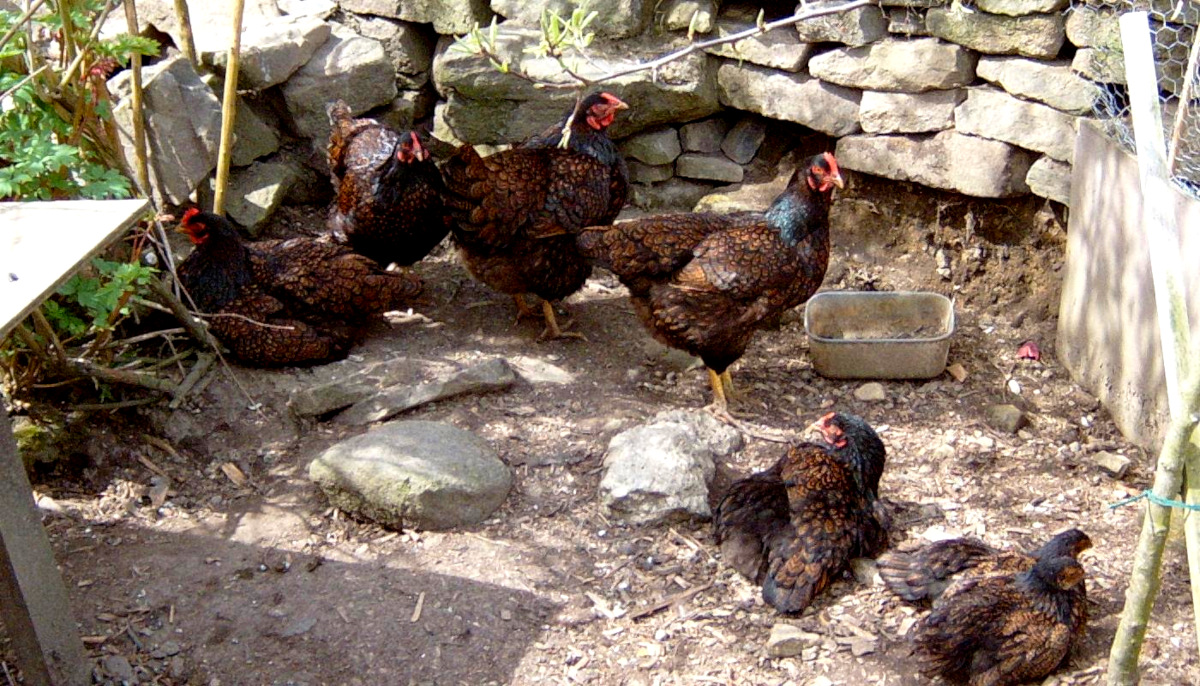
These are the natural behaviours of chickens, based on their evolutionary history and what they still instinctively do today:
- Foraging – Scratching, pecking, and searching for seeds, insects, and greens throughout the day.
- Dust-bathing – Tossing dry soil through their feathers to clean their skin and remove parasites.
- Roosting – Sleeping on elevated perches to stay safe from predators at night.
- Flocking – Living in social groups with a clear hierarchy (the pecking order).
- Establishing a pecking order – Sorting out dominance through mild squabbles and displays.
- Broodiness and nesting – Seeking a safe, hidden spot to lay eggs; broody hens gather and sit on eggs.
- Vocal communication – Using clucks, purrs, squawks, growls, crows, and alarm calls to communicate.
- Exploration – Investigating new spaces, objects, and environmental changes.
- Food selection – Choosing diverse foods and instinctively avoiding some harmful plants/insects.
- Sunbathing – Spreading wings and basking in the sun for warmth and vitamin synthesis.
- Preening – Grooming feathers to maintain waterproofing and condition.
- Running, wing-flapping, and short flights – Using bursts of energy to escape threats or express excitement.
- Scratching wallows – Creating shallow depressions for dust baths or resting.
- Predator awareness – Staying alert, scanning the environment, and reacting rapidly to perceived threats.
- Mate selection and courtship – Roosters perform tidbitting displays, dances, and vocal calls.
- Territorial behaviour – Especially among roosters, defending resources or flock members.
- Chick rearing – Hens teaching chicks to forage, respond to calls, and avoid danger.
Keep their social world balanced.
A happy flock is a socially stable flock and chickens have to be left to find their own place in that hierarchy. Human keepers all to often interfere with the natural pecking order.
Below: My flock is happy and well balanced.
Chickens thrive in small groups where everyone knows everyone else and they know their place. Overcrowding or constantly introducing new birds causes stress.
I’ve learned to watch body language closely. Raised hackles, chasing, or feather pulling are all signs of social tension. A bit of pecking and squabbling is normal, it’s how they establish order.
Below: Allow chickens to find their own place in the pecking order.
Persistent bullying usually means someone needs more space or a new setup.
Feed their instincts, not just their belly.
Chickens are omnivores. Their ancestors ate seeds, greens, insects, and even small reptiles and rodents. While modern layers’ pellets cover their nutritional needs, a bit of variety keeps them mentally stimulated.
Below: My chickens get a variety of feeds.
I also scatter grains, hang cabbage leaves, cultivate earthworms and other insects and make sure they get the fallen fruit form my orchard.
Shade, cover and a sense of safety.
Chicken evolved to live in the jungle and require cover and trees to feel fully safe.
In the wild, chickens rely on cover to protect themselves from predators. That instinct never went away. If your run or garden is wide open, they’ll feel exposed.
Adding shrubs, small trees, or even garden furniture gives them places to hide and rest. I have planted apple trees in my runs as it helps to feed the chickens as well.
Roosts, coops and nesting boxes that mimic their natural environment.
Chickens love height and texture. In their natural setting, they roost in trees at night to avoid ground predators. Keep your perches natural, it served the chickens well for centuries.
Birds have excellent balance and do not need large flat perches.
Below: Chickens prefer round perches at height.
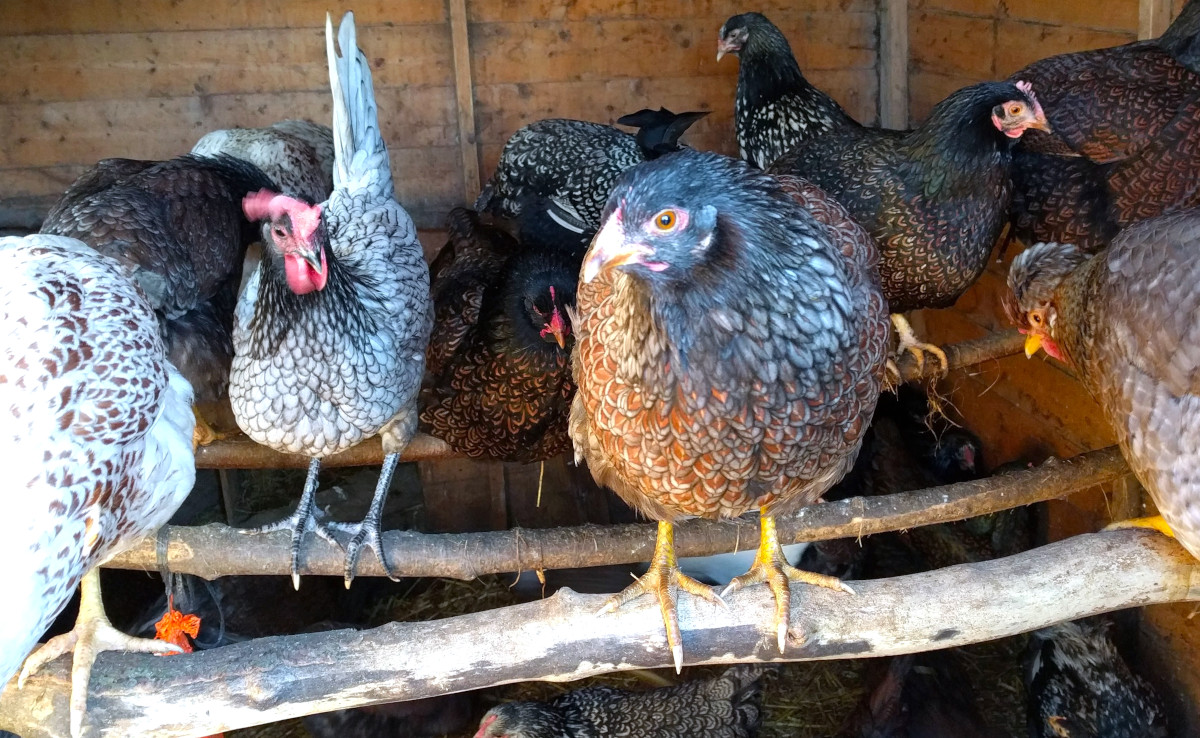
Give them sturdy perches at different heights, and they’ll instinctively pick favourites.
Don't forget the dust bath!
It might seem an odd way to keep clean but the dust bath helps keep the parasites out and the feathers looking good.
Below: Dust bathing is often communal and is critical for the well being of the flock.
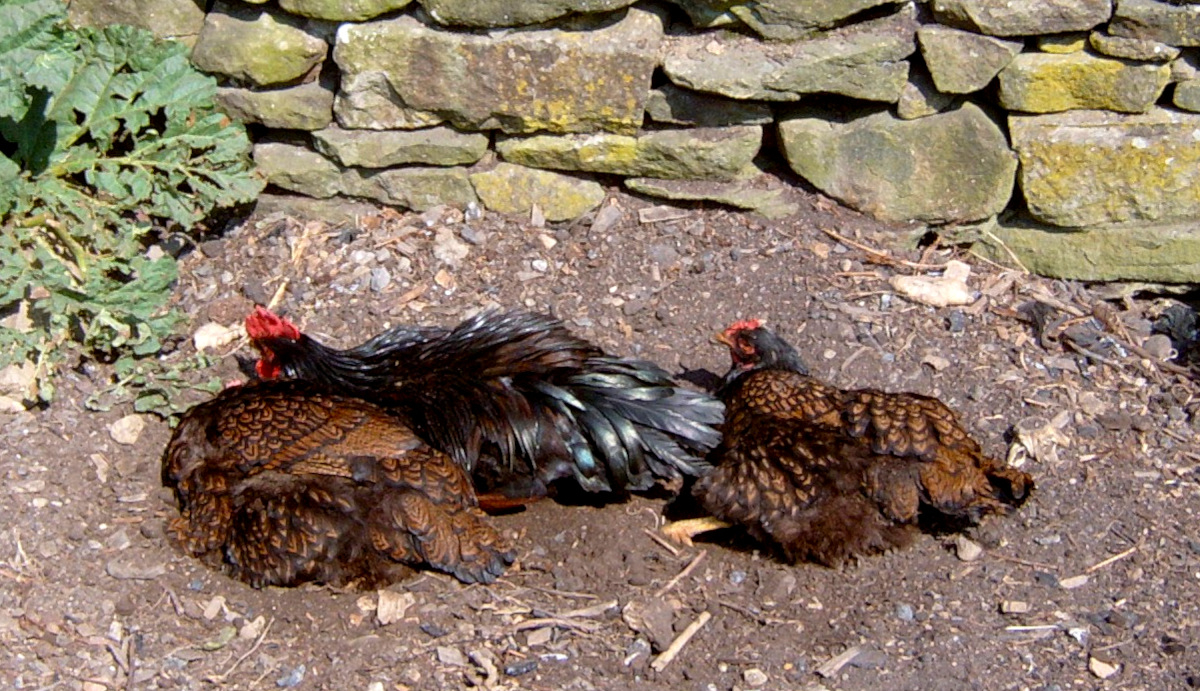
Add wood ash and Diatomaceous earth to the dust in the bath and keep it dry.
Chickens are not meant to be confined.
In the wild a family group of jungle fowl might have a range that covers as much as a square mile. Keeping them cages can cause all sorts of problems if the boredom is not dealt with.
When my birds have access to grass or leaf litter, they’re calmer and more relaxed. If space is limited, I toss a mix of grain into piles of straw or leaves. They’ll spend the next hour turning it over like they’re unearthing buried treasure.
You can also hang greens of whole corn cobs for pecking.